Etsy
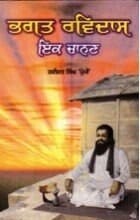
Bhagat Ravidas Ik Chanan - Book By Hakikat Singh Premi, Punjabi (Hardcover)
$20.00
In stock
Description
Saint Ravidas, also known as Guru Ravidas or Raidas, was a highly revered Indian saint, poet, and philosopher who lived during the 15th century. He is considered one of the most influential figures in the Bhakti movement, a devotional movement that emphasized a personal and direct connection with the divine.
Ravidas was born in the city of Varanasi, located in present-day Uttar Pradesh, India. He belonged to a low-caste family and faced social discrimination and oppression due to the prevalent caste system at that time. Despite his lower social status, Ravidas preached the concept of equality and challenged the hierarchical divisions of society.
Ravidas's teachings were centered around the principles of universal love, devotion, and the pursuit of spiritual enlightenment. He emphasized the importance of inner purity, sincerity, and service to others as means to achieve spiritual liberation. Ravidas's poetry, consisting of hymns and devotional songs, conveyed his spiritual message and appealed to people from all backgrounds.
The teachings of Saint Ravidas had a profound impact on Indian society, particularly in challenging the caste-based discrimination and promoting equality among all individuals. His followers formed a community known as the Ravidassia sect, which continues to revere his teachings and consider him as their spiritual guide.
Ravidas's legacy extends beyond his spiritual teachings. He is also known for his contributions to the field of Indian mystic poetry, with his verses being included in the Sikh scripture, Guru Granth Sahib. His poetry reflects his vision of a society free from discrimination and his unwavering faith in the universal divine.
Today, numerous temples and religious sites dedicated to Saint Ravidas can be found across India, particularly in the northern regions where he had a significant following. His teachings continue to inspire and guide people in their pursuit of spirituality and social equality.
Pages: 112