Etsy
Bunching Onion, Ishikura Japanese Scallion Seeds | Heirloom Organic, Long White Stems, 18-24 Inches
$4.00
In stock
Description
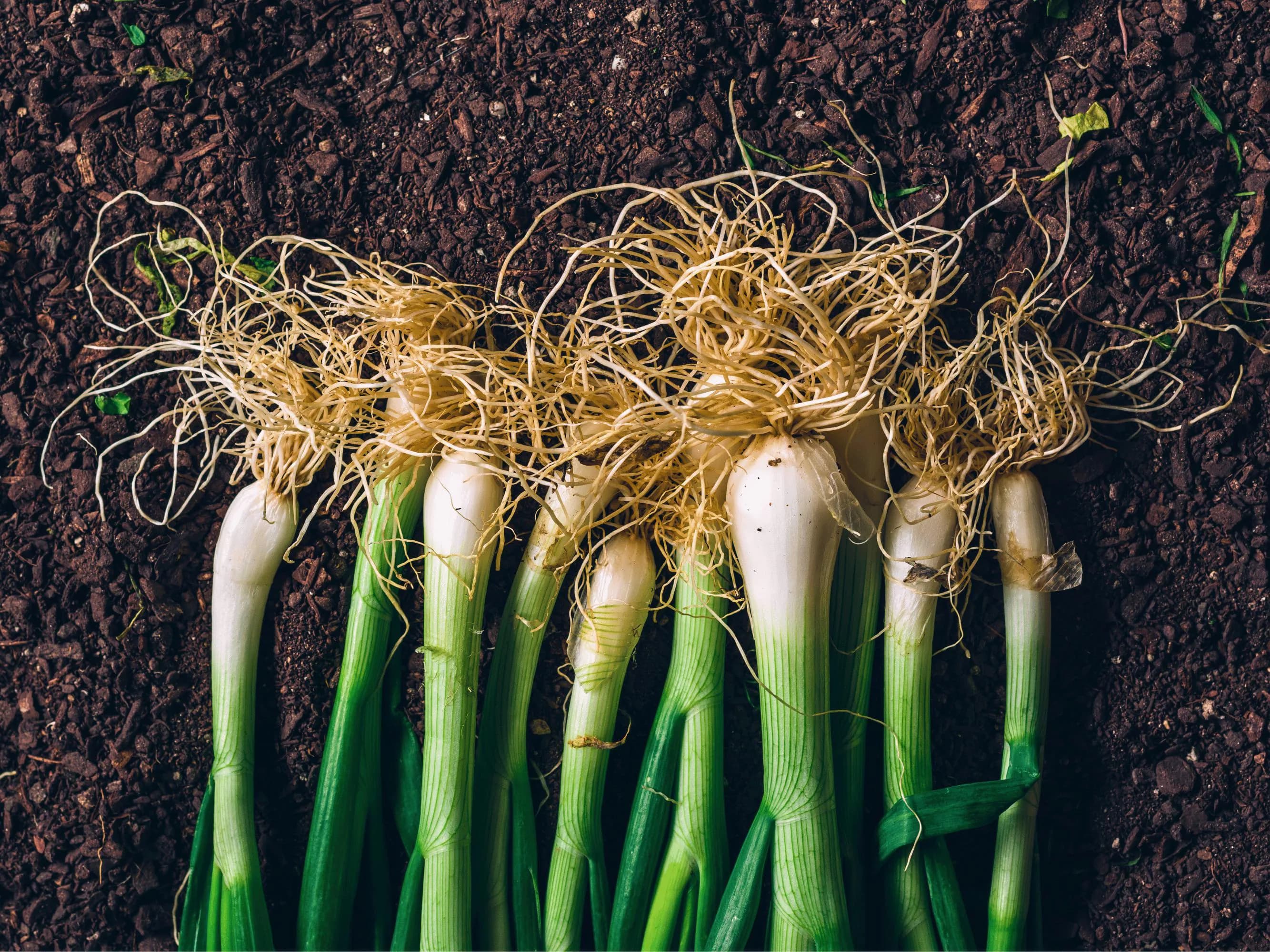
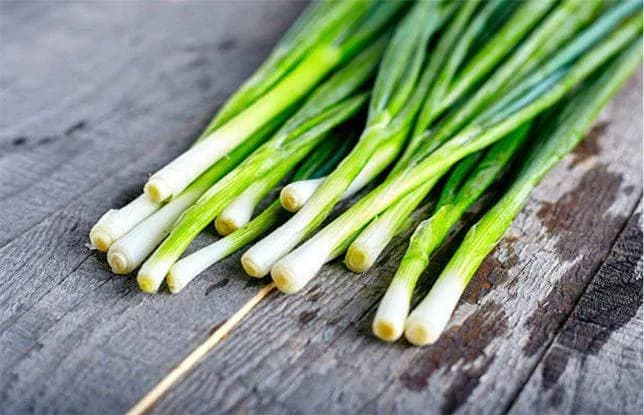
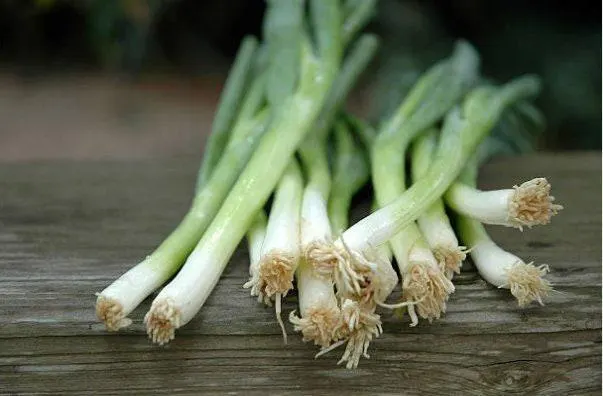
Ishikura Bunching Onion (Allium fistulosum) is a traditional Japanese variety prized for its long, slender white stems, dark green leaves, and mild, sweet onion flavor. Unlike bulb-forming onions, Ishikura stays slender at the base and produces tender, scallion-like stalks that can grow up to 20 inches long and about an inch thick. Harvest it young for pencil-thin spring onions, or let it mature for larger stems with a generous white portion.
One of the most versatile onions for the home garden, Ishikura can be harvested at different stages of growth. Snip the green leaves as needed, pull individual plants for fresh scallions, or gradually mound soil around the stems to encourage a longer, blanched white portion. The plants are cold-hardy and can be grown as perennials in suitable climates, allowing established clumps to provide repeated harvests. Ishikura is especially useful in succession plantings and can be grown in vegetable beds, raised beds, and containers.
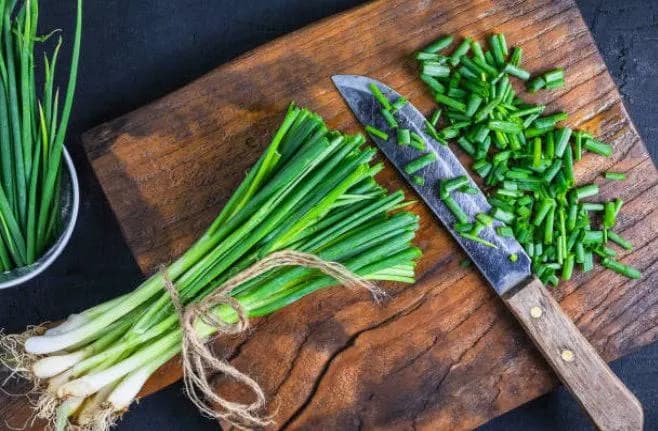
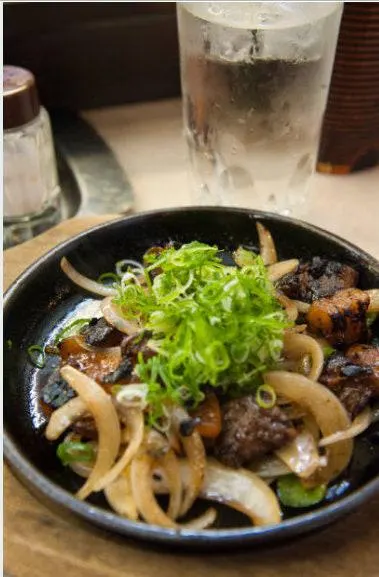
In Japanese cooking, bunching onions are used in soups, stir-fries, noodle dishes, and many other recipes. Ishikura's mild flavor makes it equally useful in salads, omelets, dressings, and as a fresh garnish. Its upright growth and long harvest window make it a practical choice for gardeners who want a steady supply of fresh onion greens without growing large storage onions.
* SCROLL DOWN FOR DETAILED GROWING INFO *
Common Names: Ishikura Bunching Onion, Japanese Bunching Onion, Japanese Long White Onion, Welsh Onion, Scallion, Green Onion
Latin Name: Allium fistulosum
Type: Vegetable, Bunching Onion
Life Cycle: Perennial
USDA Zones: 3-10 (often grown as an annual)
Stratification: Not required
Germination Ease: Easy
Sunlight: Full sun to partial shade
Moisture: Moderate; keep soil consistently moist but not waterlogged
Soil: Loose, fertile, well-drained soil enriched with compost
Height: 18-24 inches
Spread: 6-12 inches, depending on spacing and growing conditions
Color: Long white stems with dark green, hollow leaves
Days to Maturity: Approximately 60-80 days from seed for a fuller harvest; young scallions can be harvested earlier
Harvest Season: Late spring through fall, with overwintering possible in suitable climates
Companion Plants: Carrots, lettuce, beets, cabbage, broccoli, and other brassicas
Climate Adaptability: Cold-hardy and adaptable to a range of climates. Performs well in cool weather and can tolerate some heat when adequately watered. In hot climates, partial afternoon shade can help extend the harvest.
~ Sowing ~
When to Plant
Direct sow outdoors in early spring as soon as the soil can be worked. For a fall harvest or an early crop the following year, sow in late summer. Seeds can also be started indoors about 8 weeks before your last expected spring frost and transplanted once the seedlings are sturdy.
For a steady supply of young scallions, sow small batches every 3-4 weeks. Ishikura has a long harvest window, but successive sowings help keep plants coming along as older ones are harvested.
How to Sow
Sow seeds about ¼ inch deep in rows or shallow trenches. Keep the soil evenly moist during germination, which generally takes about 7-14 days under suitable conditions. A soil temperature around 60-75°F is a good target for germination.
For young scallions, sow relatively close together and thin as needed. For larger plants, thin to about 2-4 inches apart. Leave approximately 12 inches between rows to allow room for cultivation and mounding soil around the stems.
~ Growing ~
Location and Soil
Choose a sunny location with loose, fertile soil and good drainage. Bunching onions can tolerate partial shade, although growth may be slower with less sunlight. Work compost into the soil before planting, and avoid letting the soil become compacted or waterlogged.
Watering
Keep the soil evenly moist throughout the growing season. Regular watering encourages tender stems and healthy green leaves. Plants growing in containers may need more frequent watering, especially during hot weather.
Encouraging Long White Stems
Ishikura is particularly well suited to growing long, white stems. As the plants grow, gradually draw loose soil around their bases, taking care not to bury the green leaves too deeply. Repeat this process as the plants gain height. The added soil blocks light from the lower stems, keeping more of the edible portion white and tender. This technique is called earthing up or hilling.
You can also grow Ishikura without hilling and harvest the naturally white lower stems and green leaves.
Overwintering
Established plants can survive winter in suitable climates, especially in well-drained soil. A layer of mulch can help protect the roots from temperature swings. In colder areas, plants may be grown as annuals or protected for an earlier harvest the following season. Plants that overwinter may send up flower stalks as temperatures rise in spring.
~ Harvesting ~
When to Harvest
Young scallions can be harvested once the plants are large enough to use. For fuller stems, allow approximately 60-80 days from seed, depending on growing conditions and the size you prefer. You can harvest Ishikura at different stages rather than waiting for every plant to reach full size.
Harvesting Leaves
Snip a few green leaves as needed, leaving enough foliage for the plant to continue growing. Established plants can produce new leaves after cutting.
Harvesting Whole Plants
Loosen the soil around the roots with a hand fork, then pull the plants gently. Shake off excess soil and trim the roots. Rinse before using. Freshly harvested bunching onions are best used promptly, although they can be stored in the refrigerator for about a week.
~ Seed Saving ~
Ishikura is an open-pollinated perennial onion that can be saved from seed. Allow selected plants to remain in the garden through their second growing season, when they can produce tall flower stalks topped with rounded clusters of small white flowers.
The flowers attract bees and other pollinators. After flowering, seed heads develop and eventually dry. Collect the heads as the seed capsules begin to dry and darken, then allow them to finish drying in a well-ventilated place. Separate the small black seeds from the dried heads and store them in a cool, dry location.
Bunching onions can cross-pollinate with other flowering varieties of Allium fistulosum. If maintaining varietal purity is important, isolate flowering varieties from one another. Seed production also takes patience, since the plants must be allowed to flower rather than being harvested for their stems.
~ Additional Information ~
Ishikura is a non-bulbing onion, so it does not form the large round bulbs associated with common storage onions. Its long white stem and green leaves are both useful in the kitchen, and the plant can be harvested young or grown larger according to your needs.
Although bunching onions are sometimes described as insect-repelling companion plants, they should not be relied upon as a substitute for other pest-management methods. Their flowers, however, can provide a useful nectar and pollen source for visiting bees.
All Nimble NiteCap Seeds are:
• Heirloom
• Organic
• Non-GMO
• Open Pollinated
• Untreated
• US Grown
• Growing instructions included
• Regularly tested and properly stored to maintain high germination rates
Sustainable Packaging & Shipping:
• Seeds are packaged in compostable packets printed in-house with vegetable-based inks on recycled materials.
• Orders ship with tracking in recycled mailers or recycled boxes.
• Most orders ship the same or next business day.
• Free shipping on orders over $35. Flat-rate shipping on all other orders.